Places that Hold Their Stories: Power of Place® 2026 Reflection
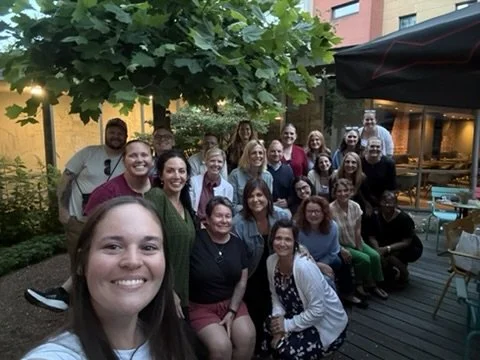
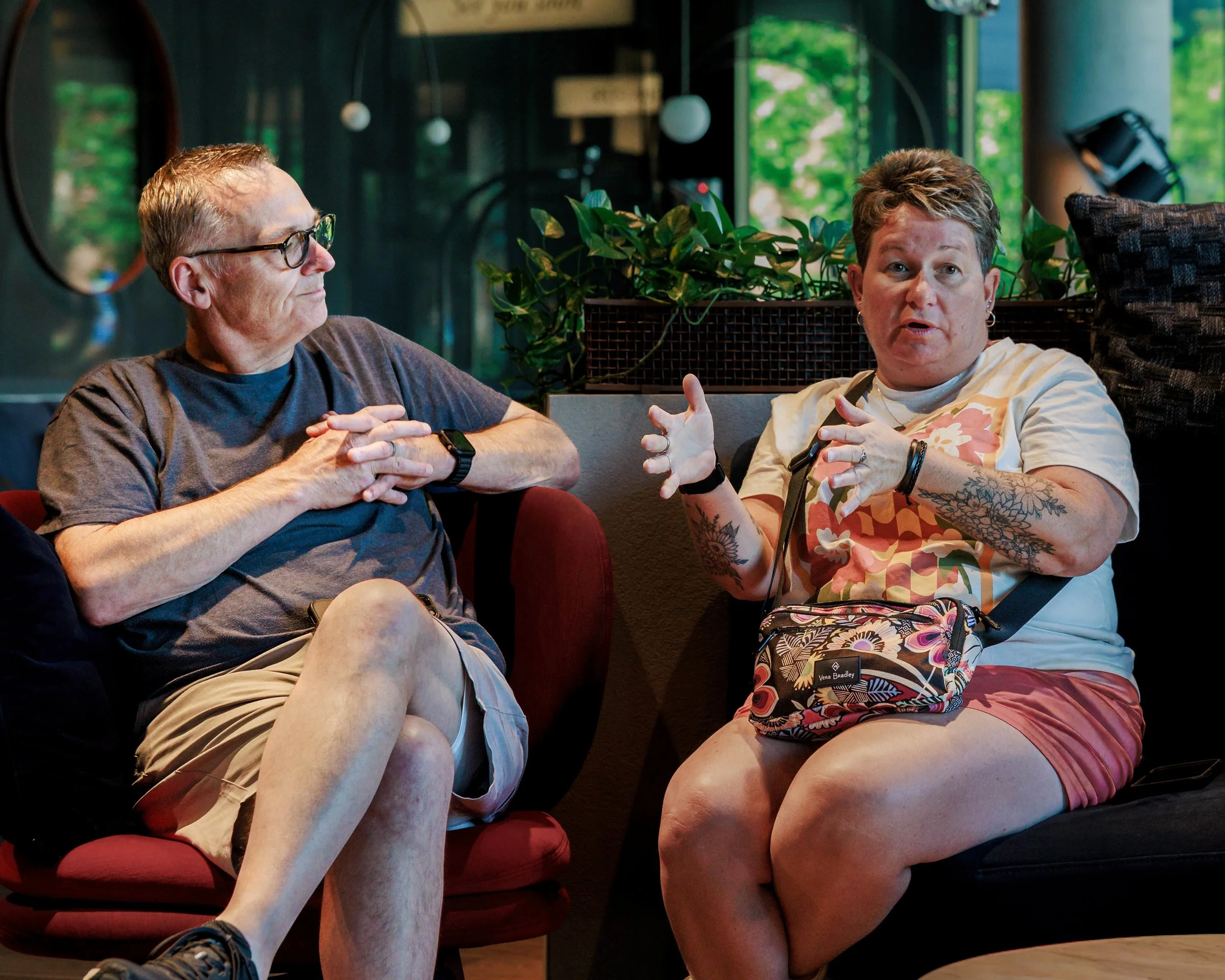
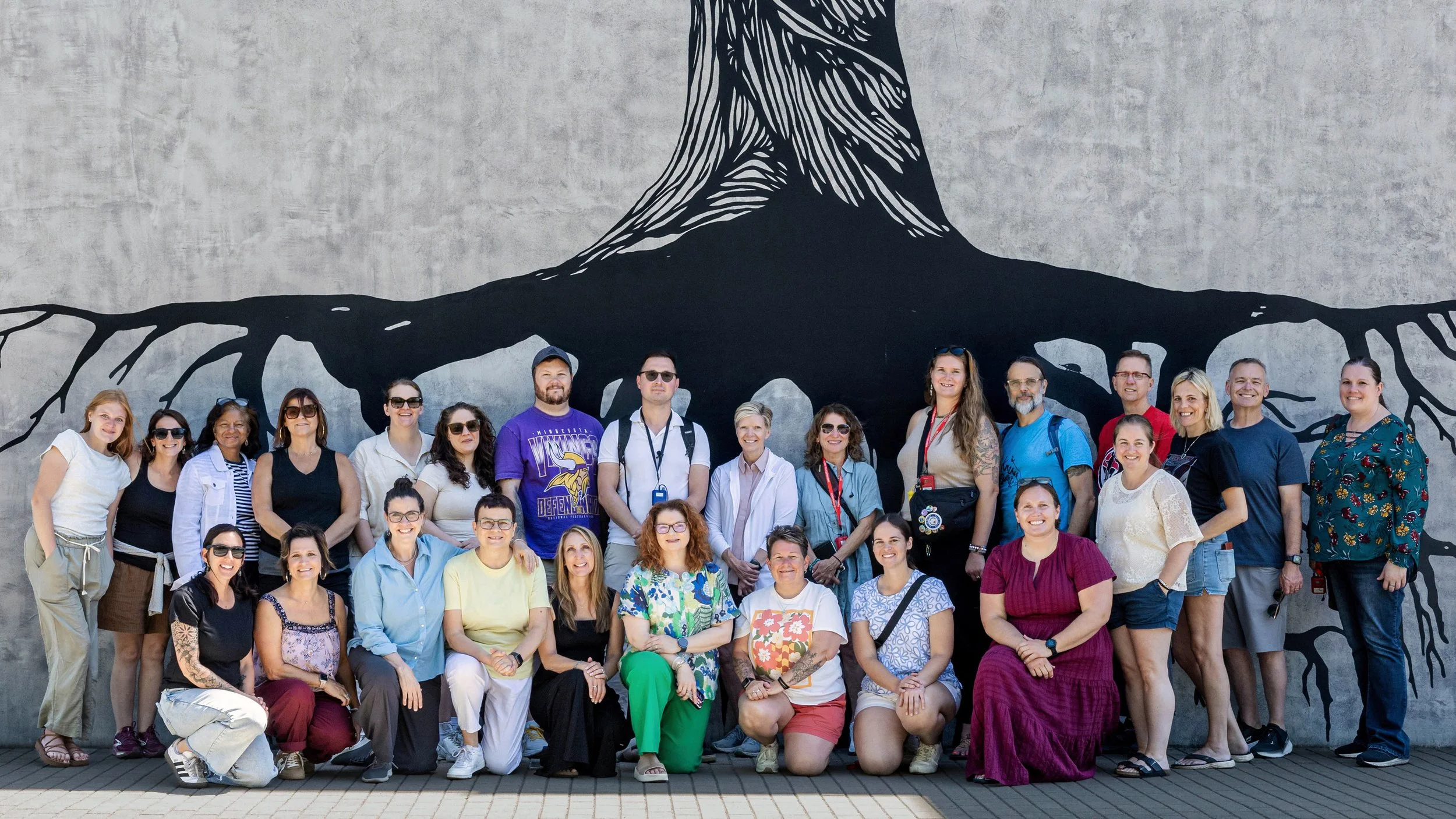
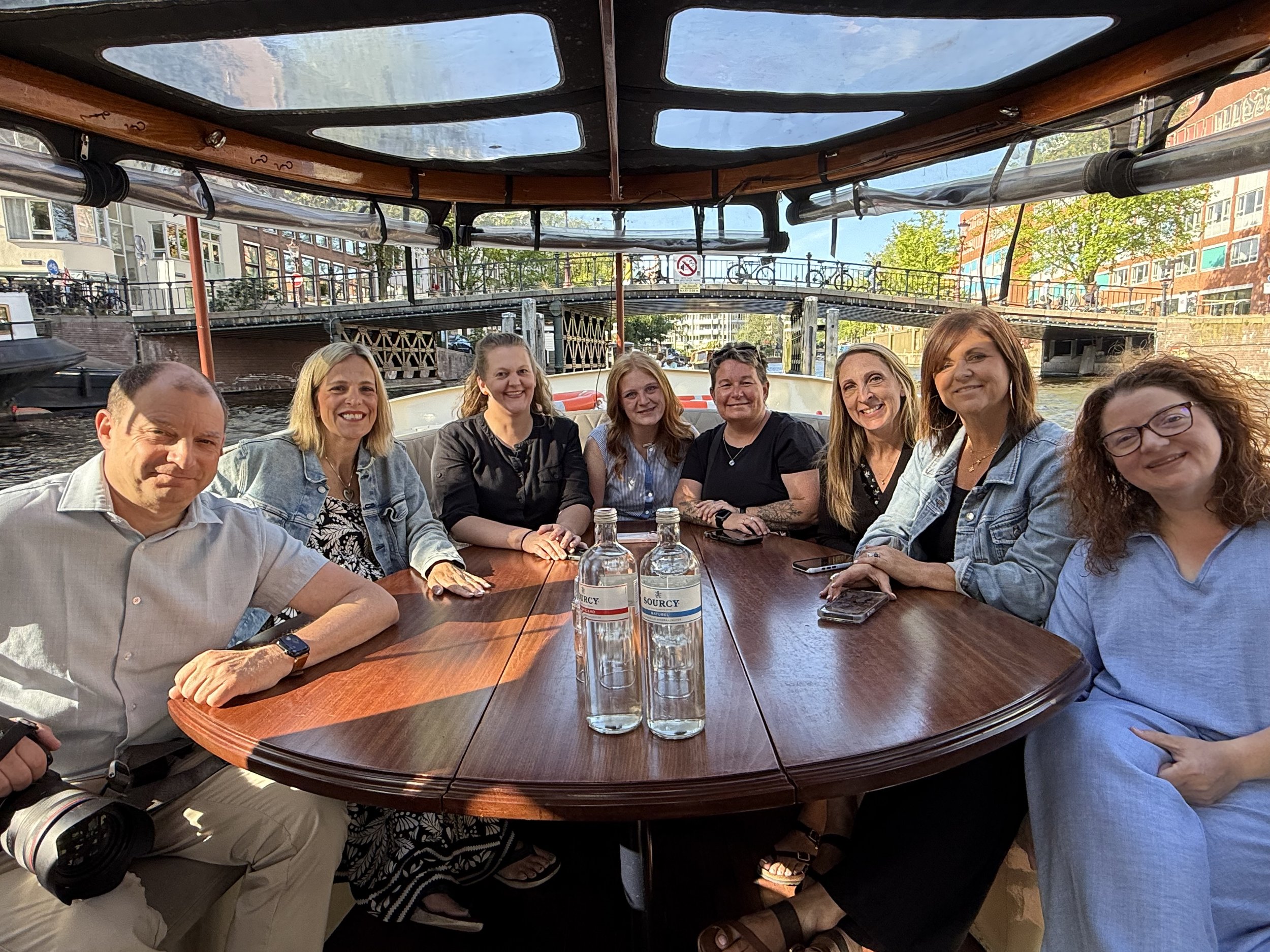
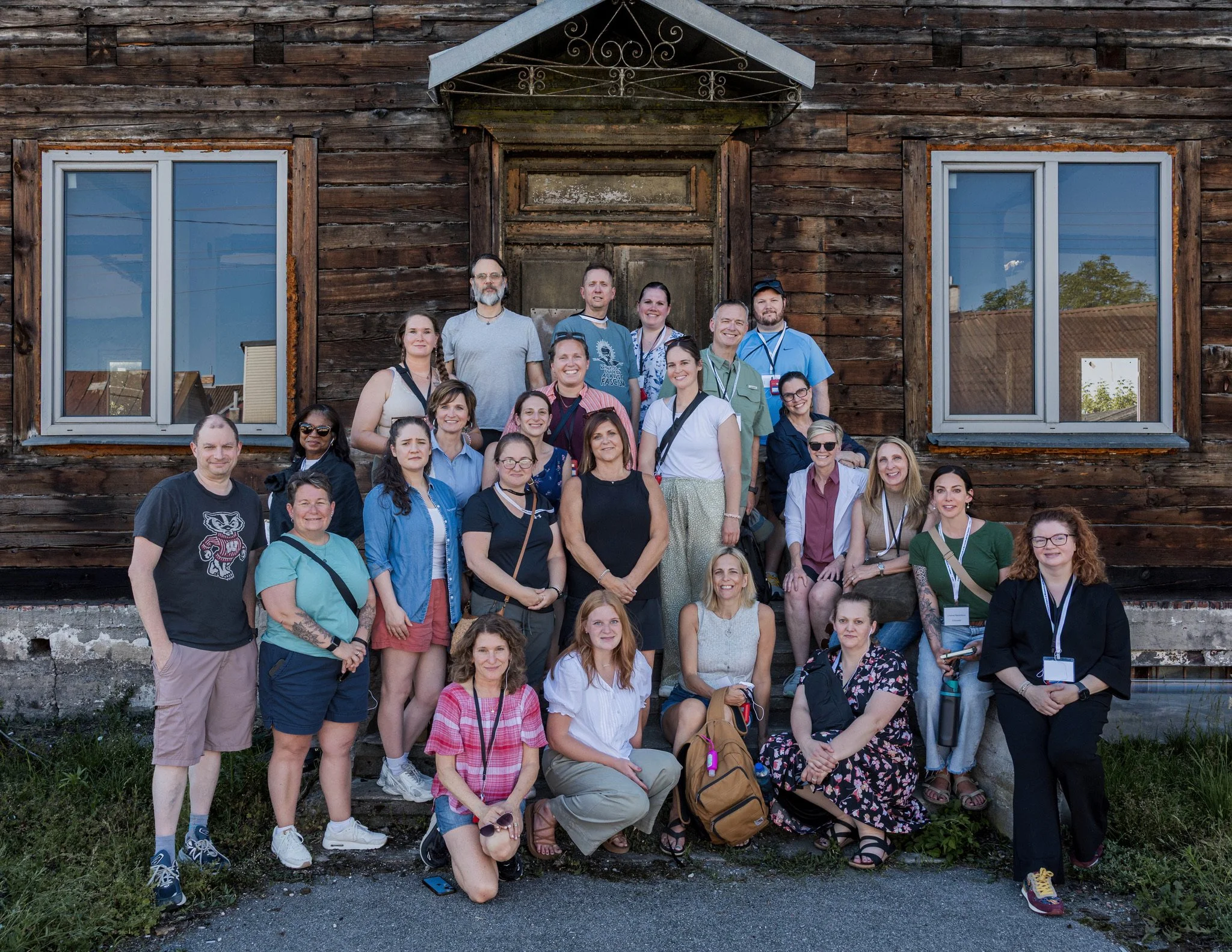
For two weeks, twenty‑five participants traveled across Lithuania, Poland, & the Netherlands as part of the Power of Place®: European Summer Institute for Holocaust Educators, an immersive study tour offered annually through Humanus Network and the Jewish Community Relations Council (JCRC) of MN & the Dakotas. We came together not simply to visit historical sites, but to deepen our understanding of what it means to teach Holocaust history today — in a moment when memory feels increasingly fragile and educators are asked to hold both historical truth and emotional weight in their classrooms.
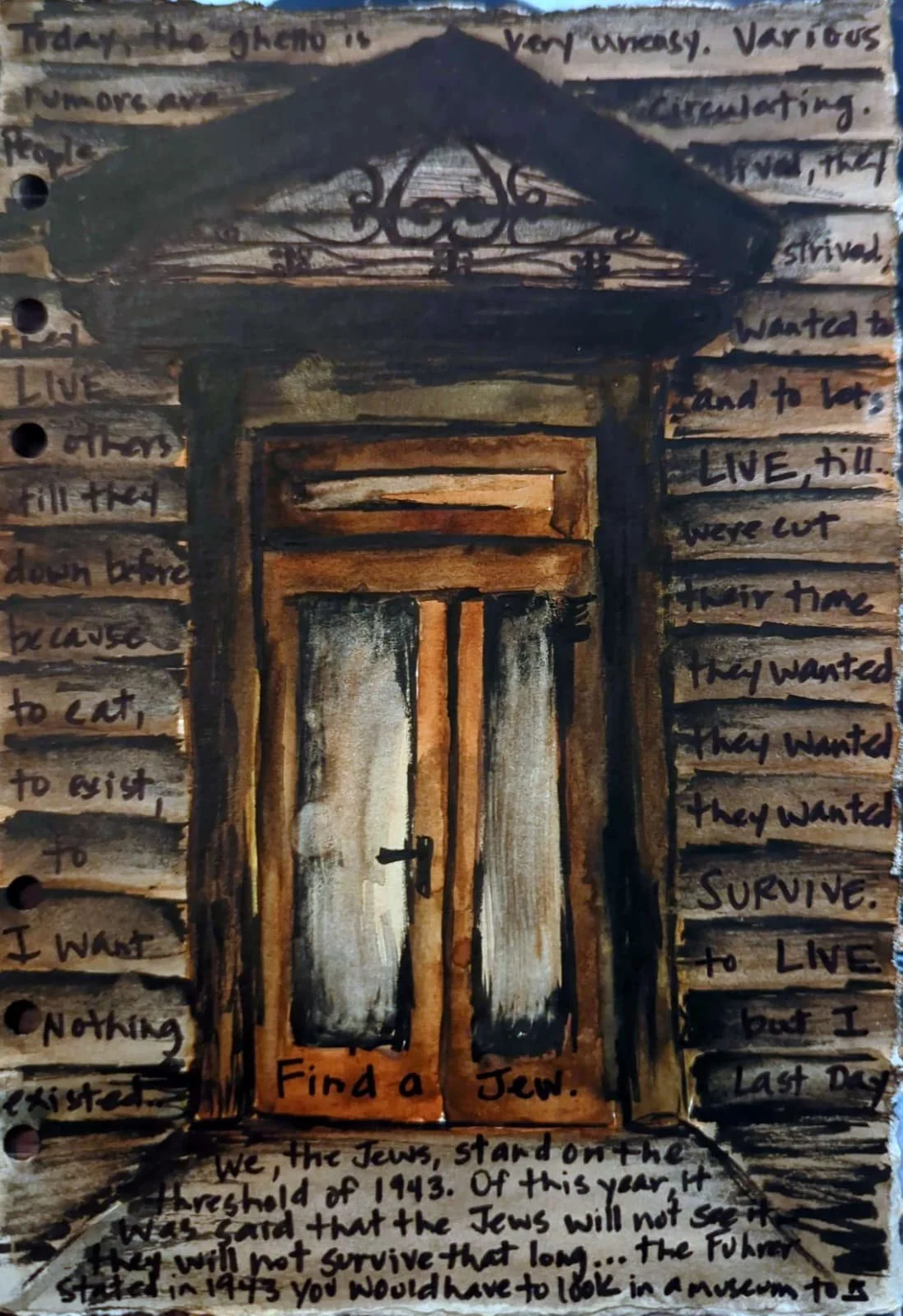
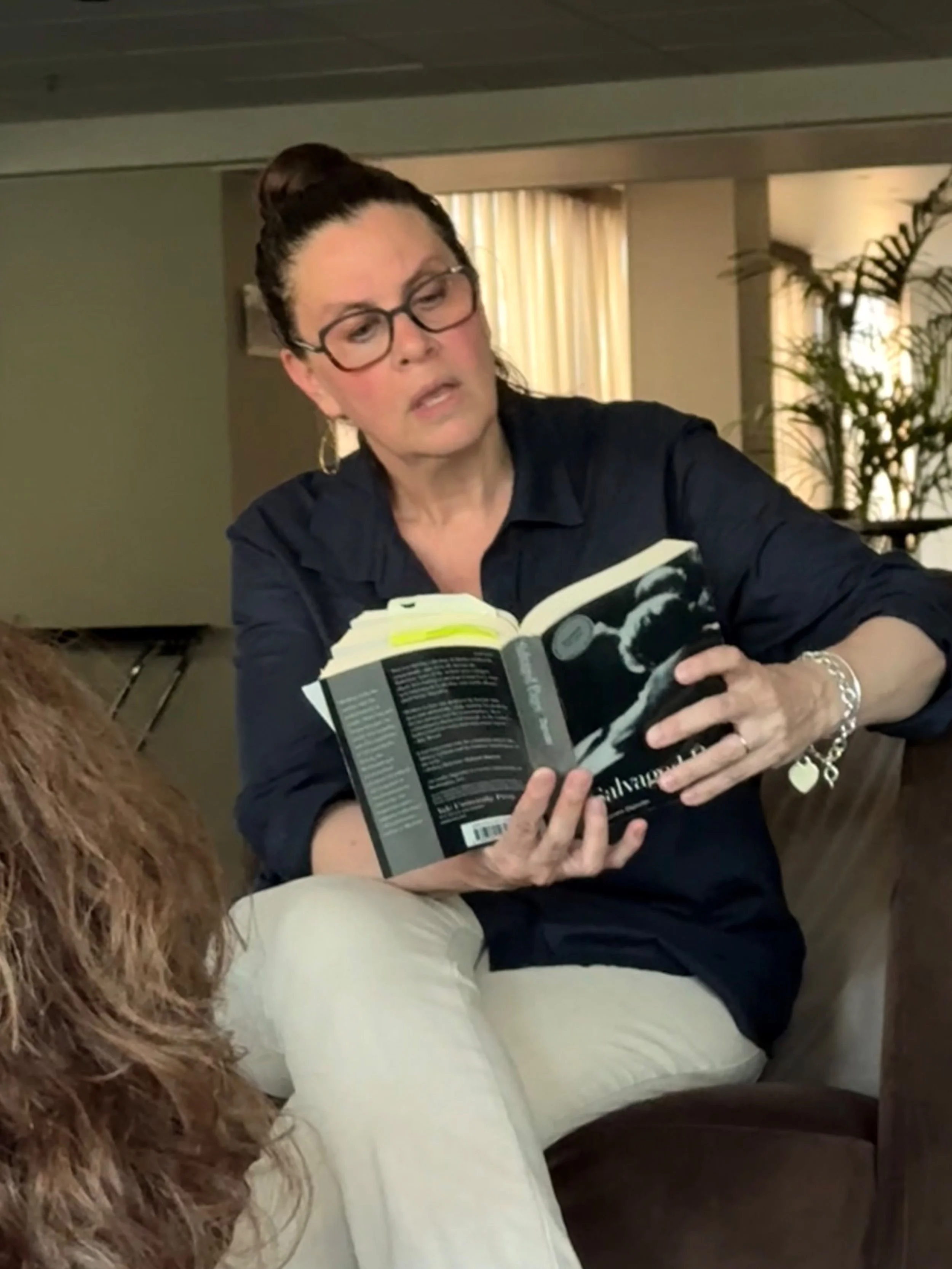
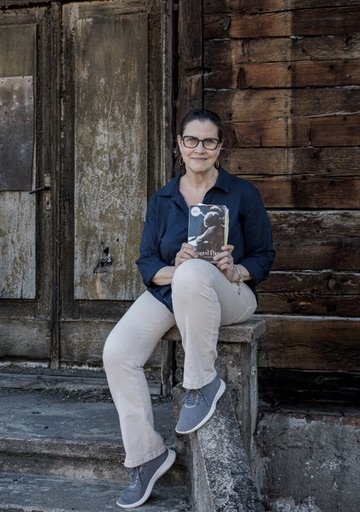
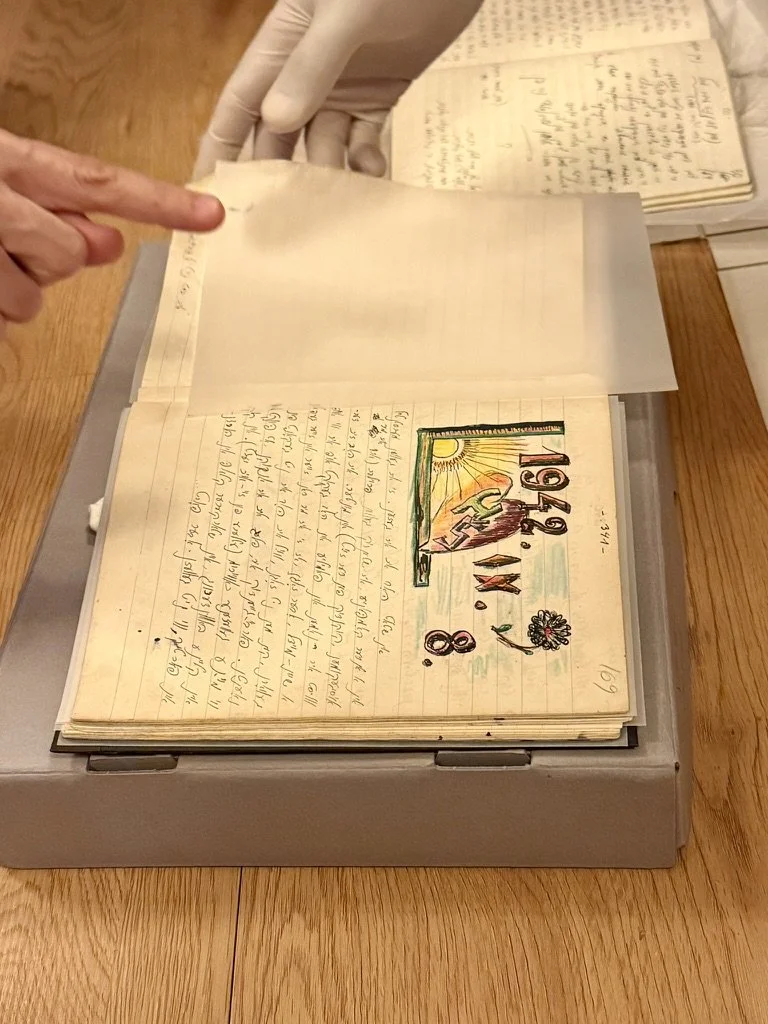
Traveling with Alexandra Zapruder, author of Salvaged Pages, grounded our work in the voices of young diarists whose writing survived the Holocaust. Their words expanded the lens through which we understand Anne Frank’s diary, revealing a broader context of experiences that challenge and deepen our understanding of the Holocaust. As Alex reminded us throughout the trip, young diarists — like young people today — are reliable witnesses. Their words offered us a way to encounter this history through voices that observed, questioned, and recorded their world, inviting us to walk beside them for a moment.
Landscapes Hold Memory
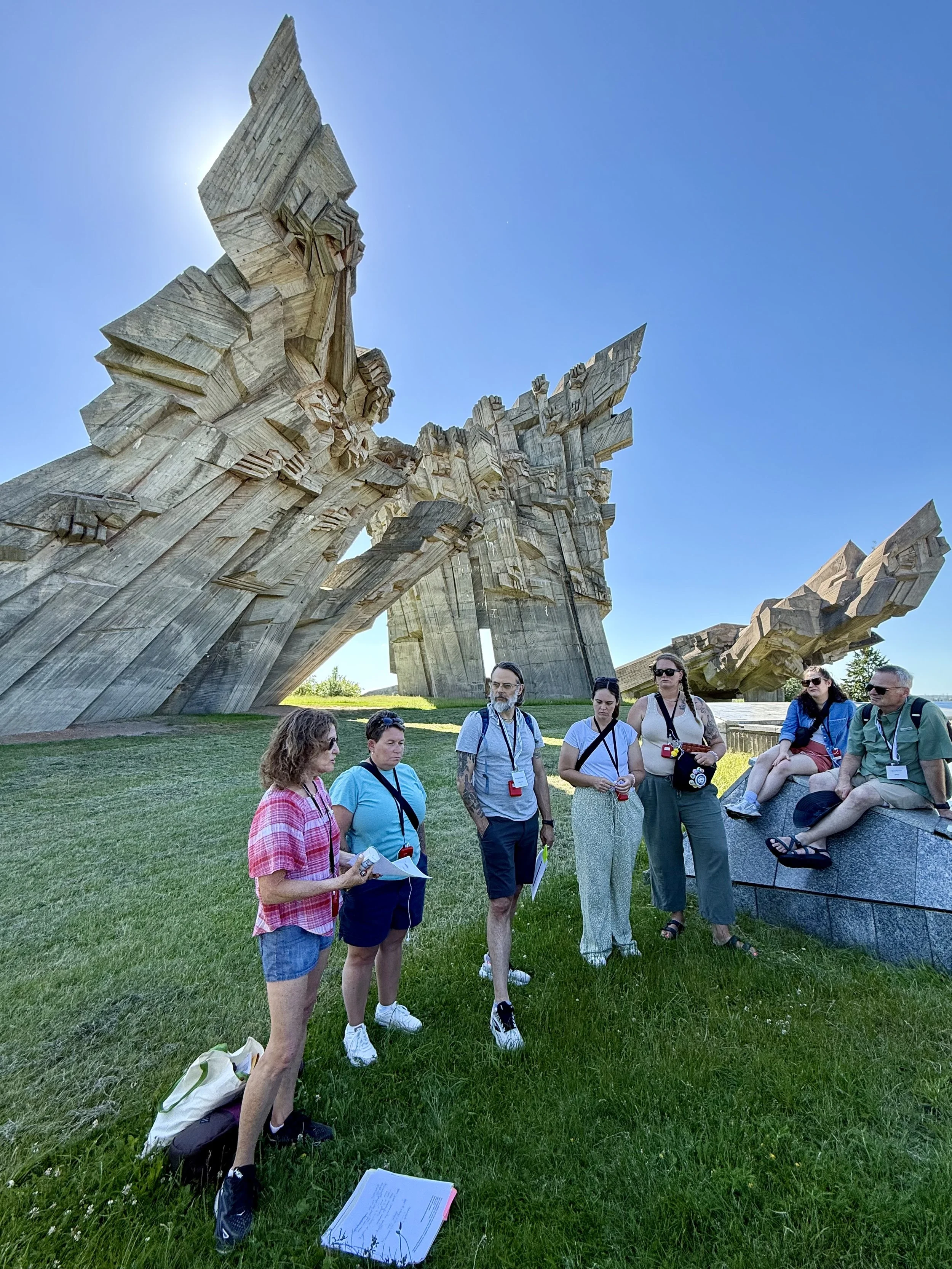
One of the central commitments of Power of Place® is standing in the spaces where people lived this history — allowing physical environments to deepen understanding in ways that no classroom can replicate. Yitzhak Rudashevski’s insight, “Space stands as a witness to what happened,” is the reason our institute carries its name. His words articulate what we ask educators to consider: that landscapes hold memory, and that being present in these spaces changes how we understand the past.
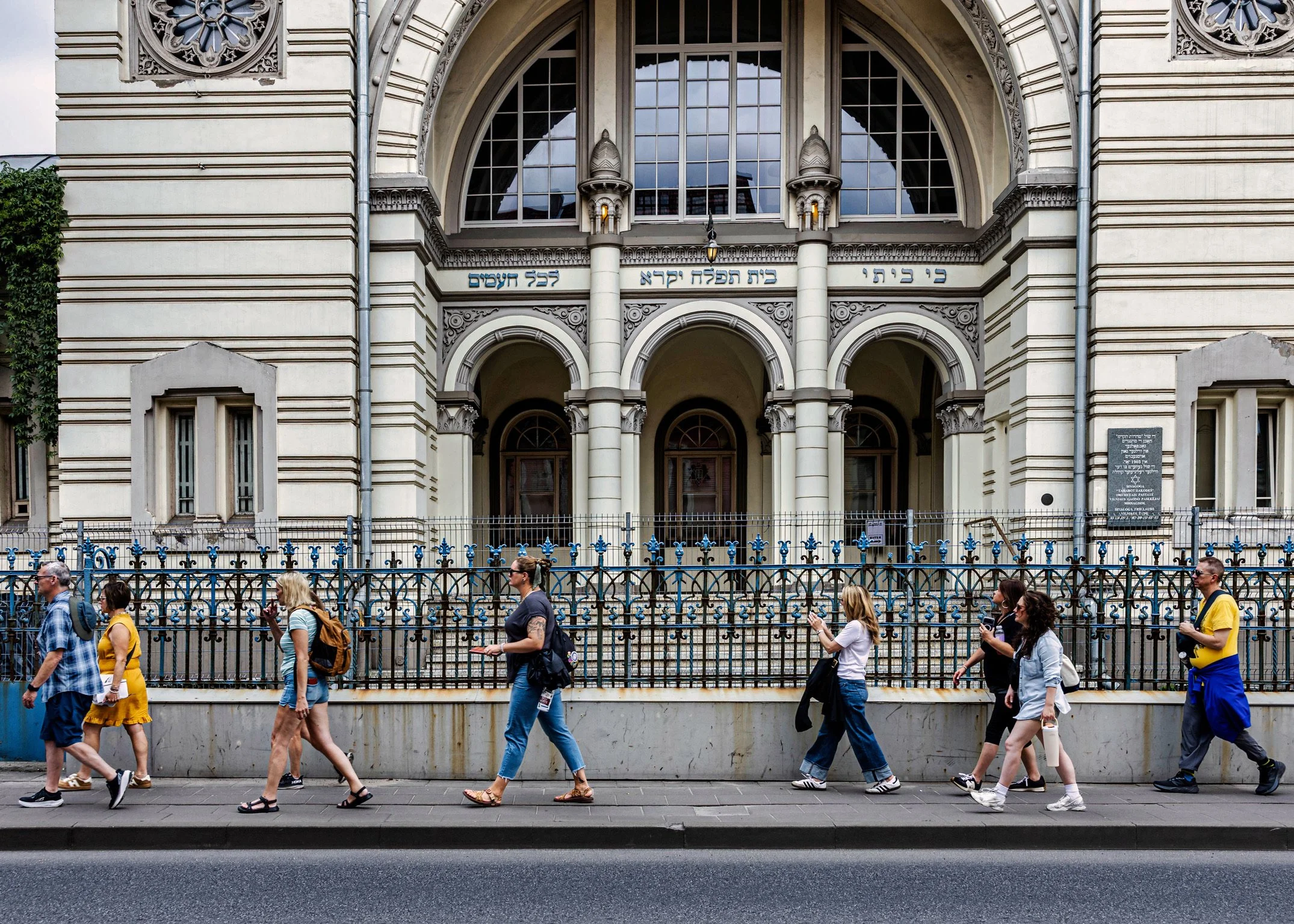
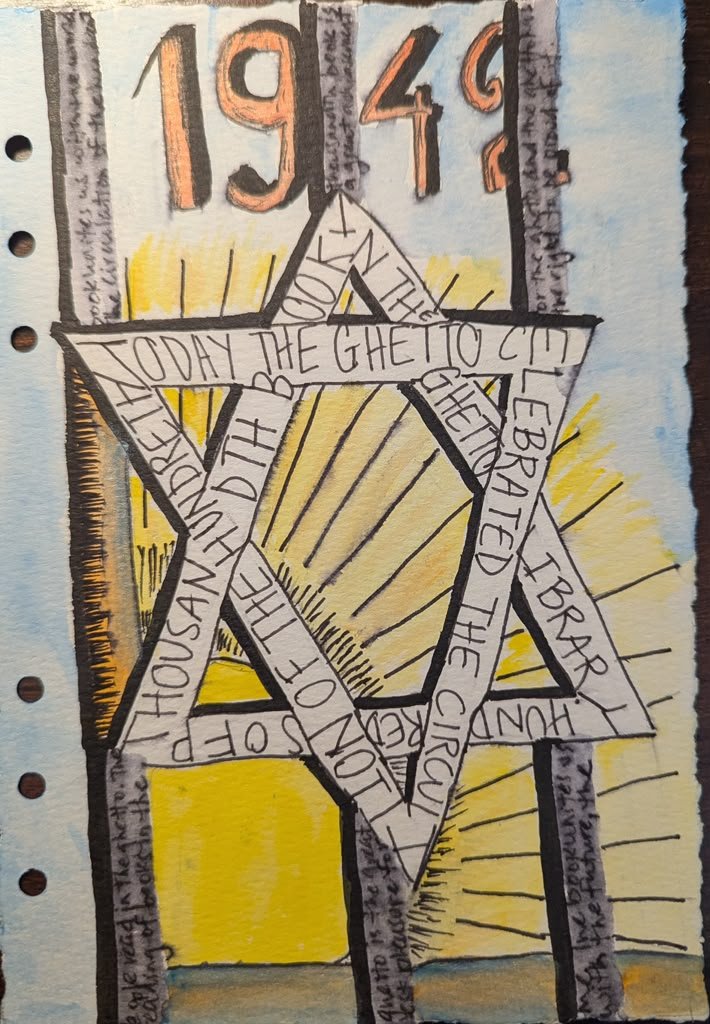
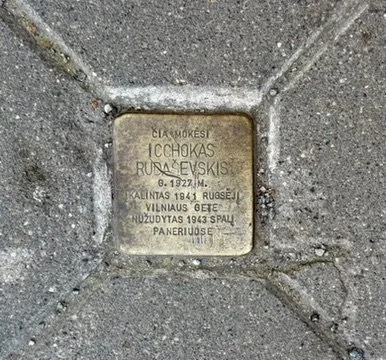
In Vilnius, we traced Rudashevski’s path — his home, his school, the ghetto library he loved — and stood before his Stolperstein, a quiet marker of a life cut short.
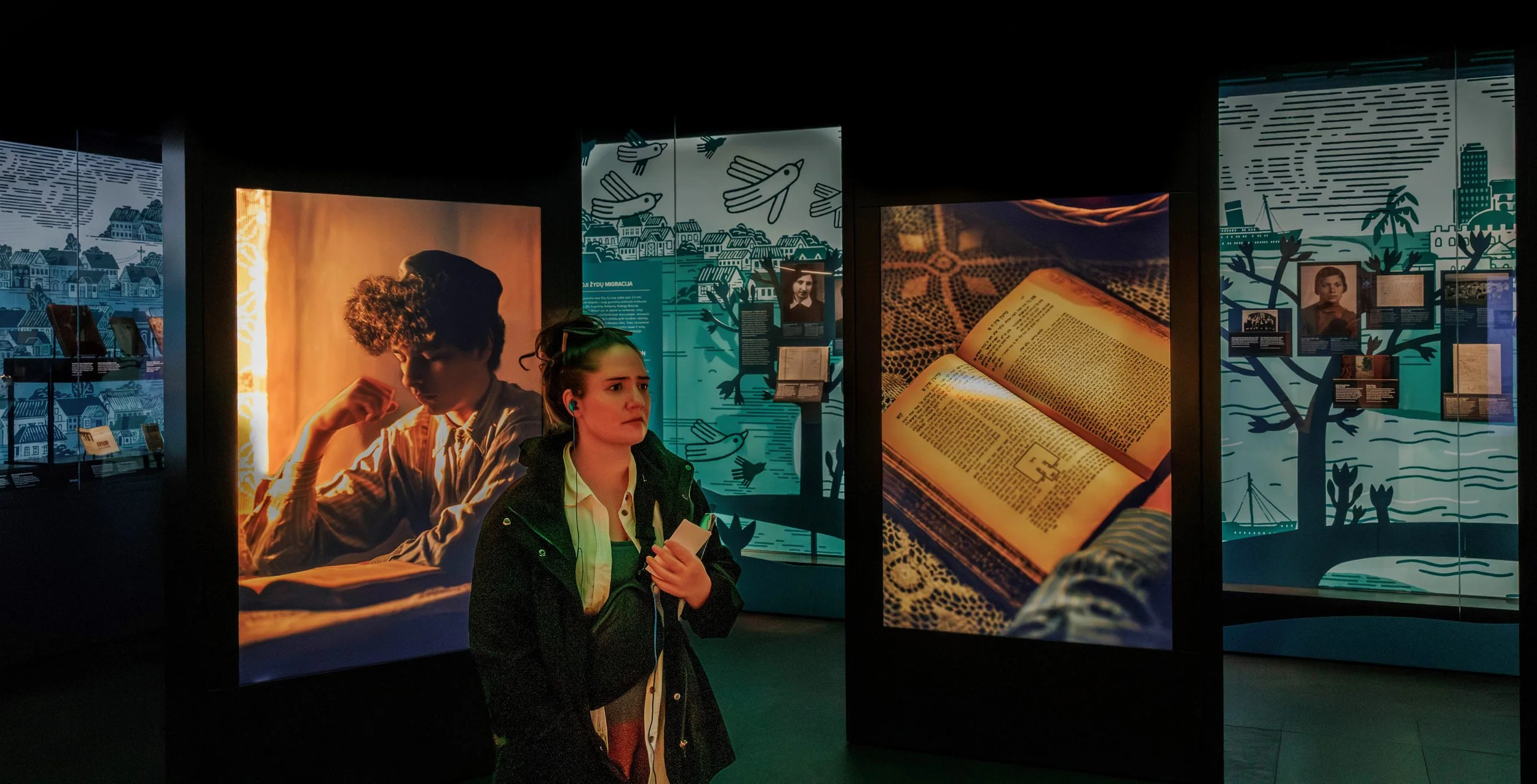
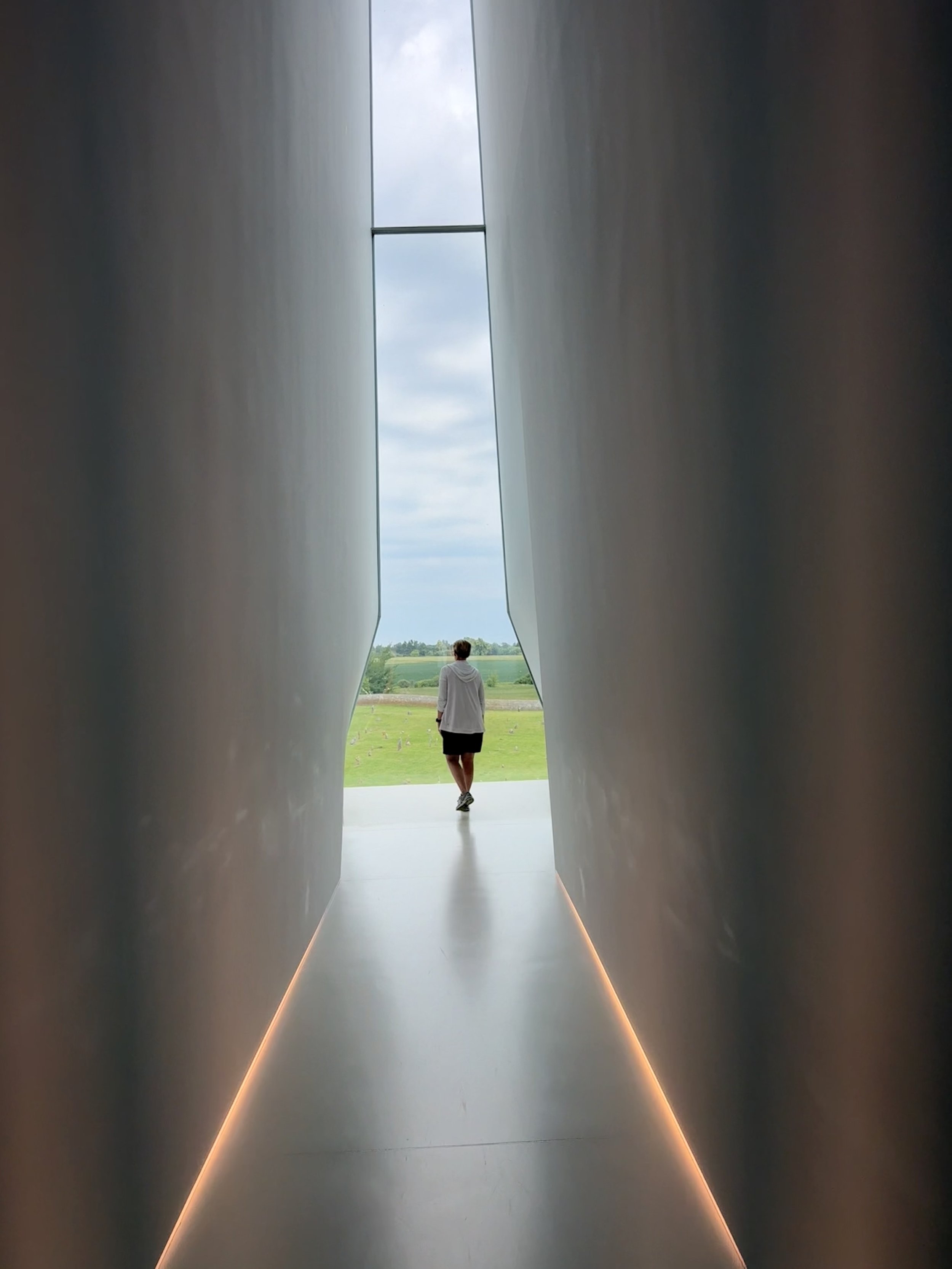
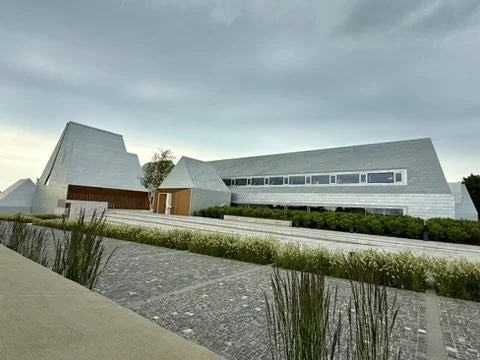
At the Lost Shtetl Museum in Šeduva, its striking architecture & design feels intentionally quiet, reflective, & minimalistic; creating an atmosphere where absence itself becomes part of the story. Inside, the museum’s narrative is powerful: immersive storytelling, personal testimonies, & carefully curated artifacts bring back the world of Lithuania’s shtetl Jews — their traditions, daily rhythms, & the vibrant cultural life that once defined small towns across the region. The museum doesn’t just present history; it restores voices & invites visitors to feel the weight of what was lost - the fact that Jewish communities no longer exist on this landscape.
Encountering History Through the Landscapes Where It Happened
Some landscapes speak through what remains; others speak through what has been taken.
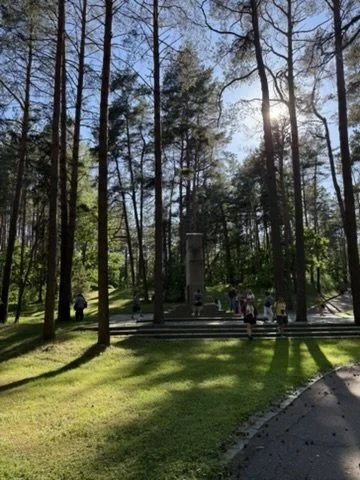
In Ponar Forest, sunlight filtered through tall pines above a landscape where more than 70,000 Jews were murdered and meant to be erased. The beauty of the forest stands in tension with the horror beneath it, and educators confronted the dissonance between what is visible and what is no longer visible.
In Poland, diaries anchored us in place. We followed the paths of Rywka Lipszyc, Dawid Sierakowiak, Minia Kuper, Abram Laski, Dawid Rubinowicz, and others — young writers whose words reveal the daily realities of hunger, fear, boredom, longing, and hope. Their writing — intimate, searching, unfinished — became the emotional and intellectual thread that connected the landscapes we visited. Each diary offered a different vantage point, reminding us that the Holocaust was not a single story but a collection of individual experiences.
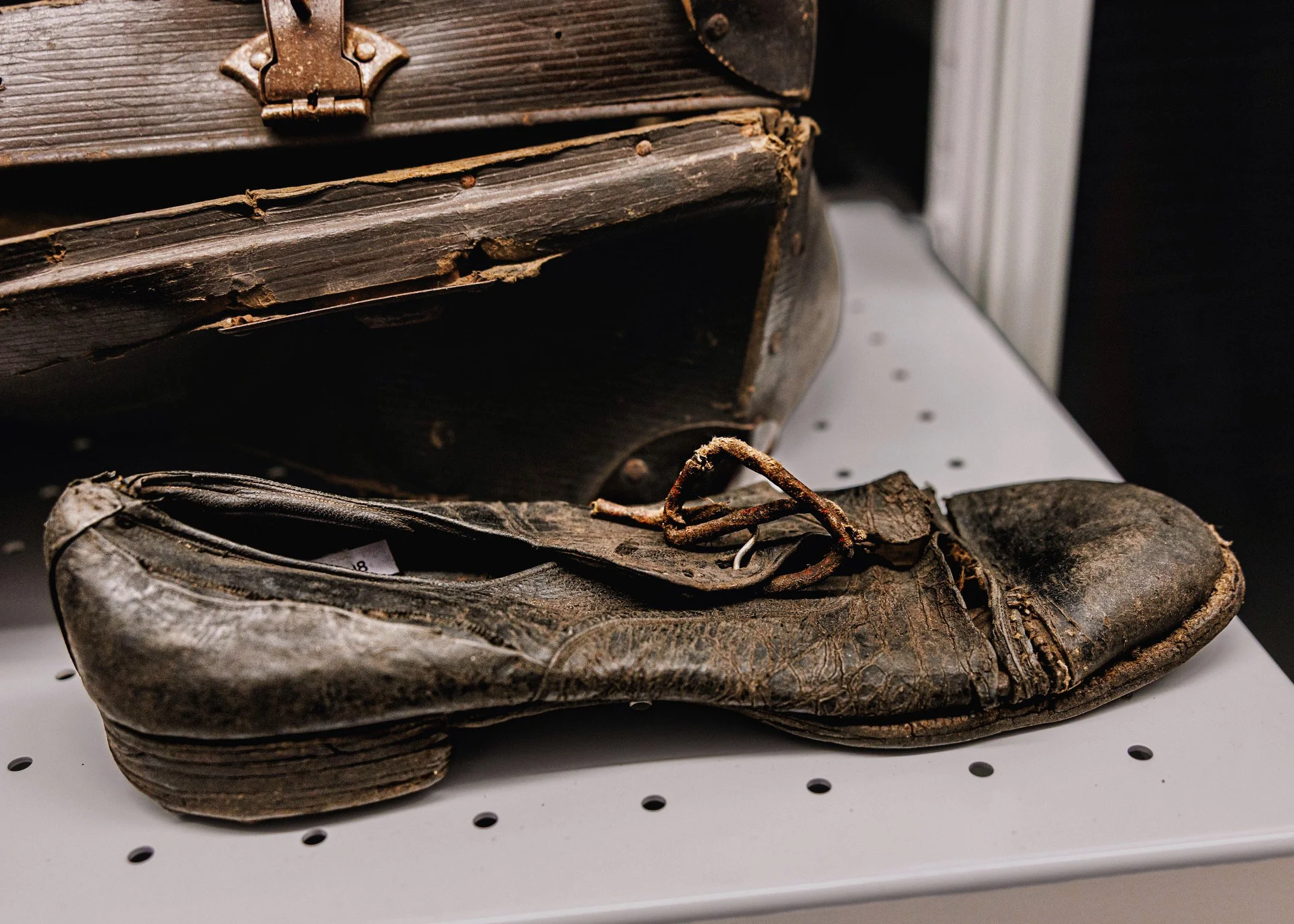
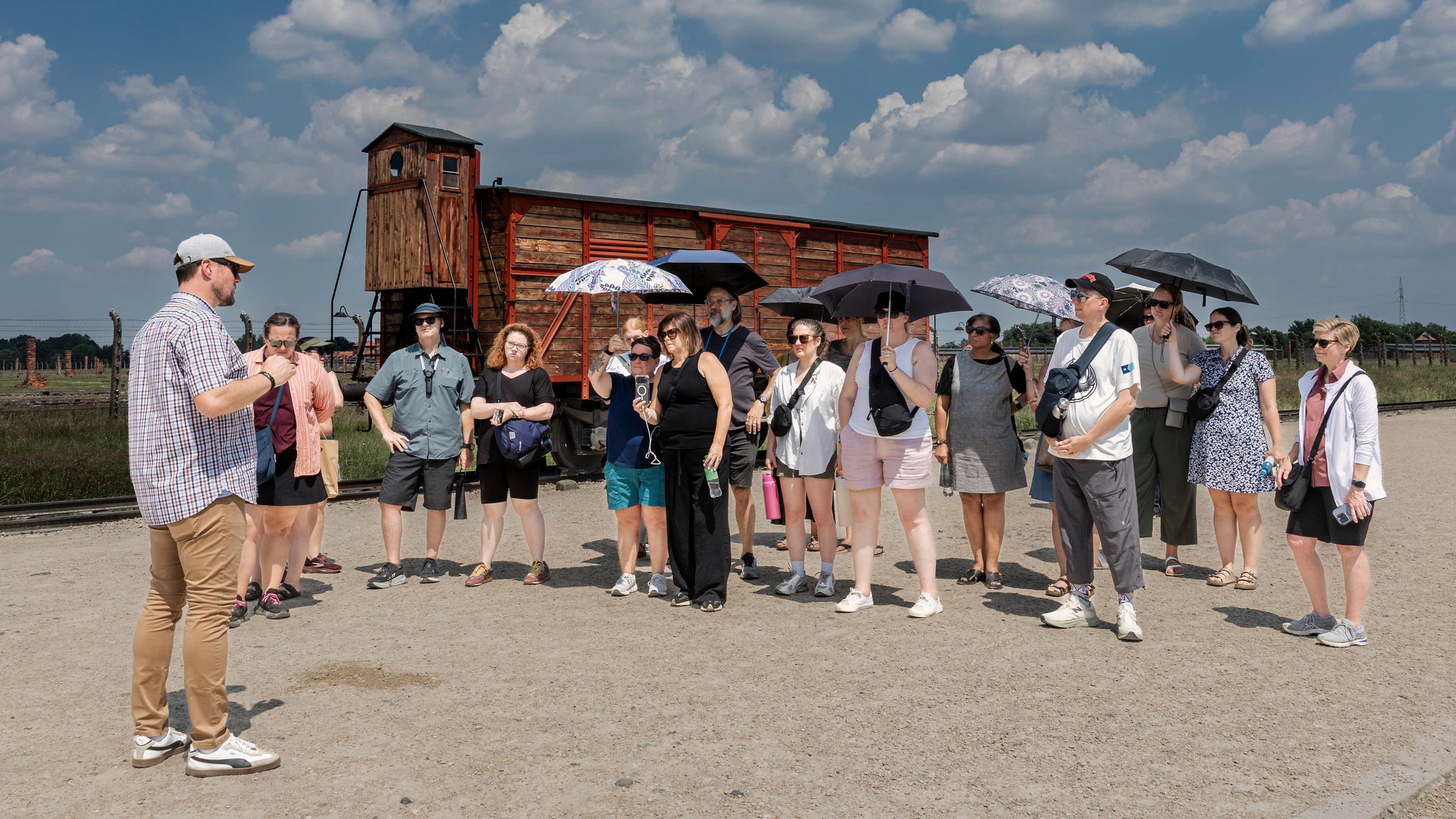
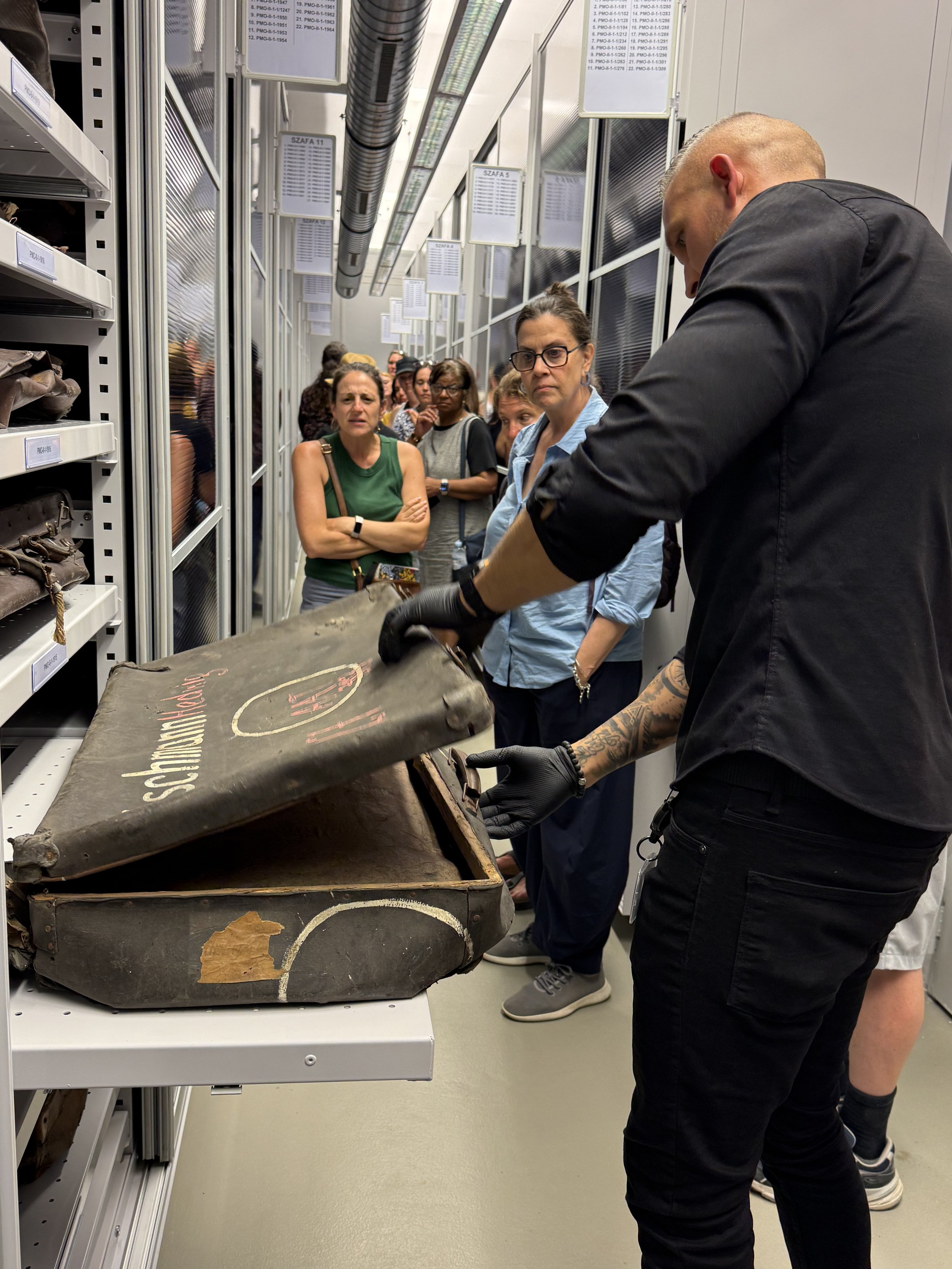
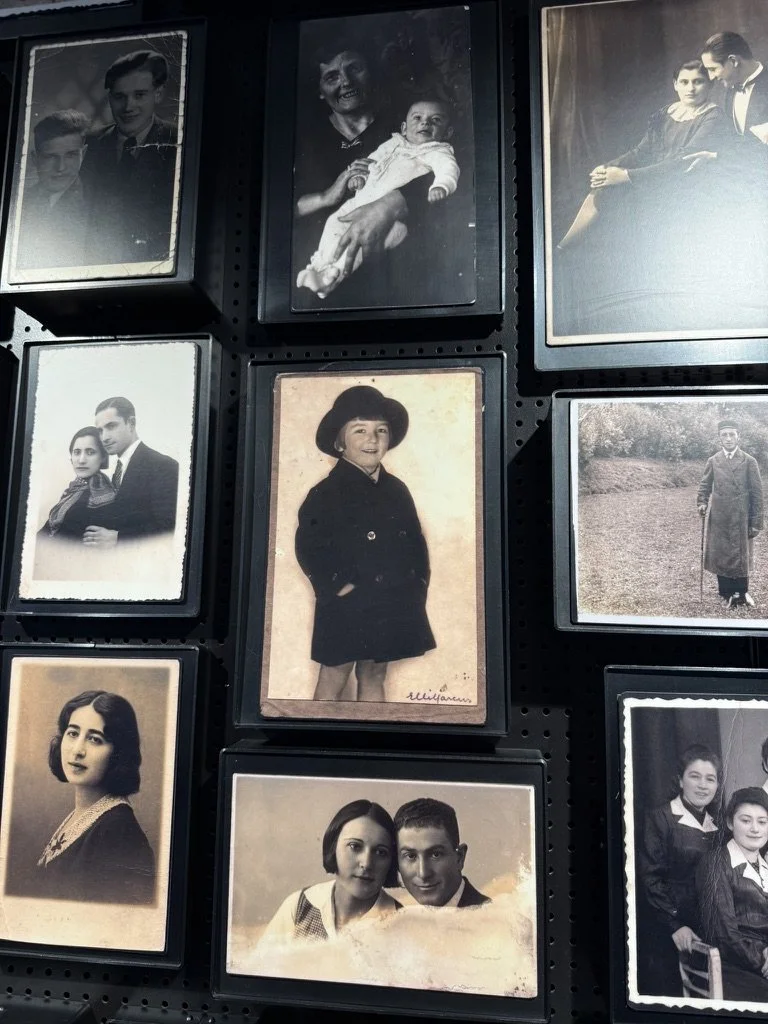
At Auschwitz‑Birkenau, encountering history through the landscape confronted us with the enormity of what was done and the impossibility of fully comprehending it. In the Sauna, a new exhibit of hundreds of recovered family photographs testifies to the vibrancy of Jewish life before it was violently destroyed. These images, like the diaries, are among the last witnesses.
Letting the Environment Speak
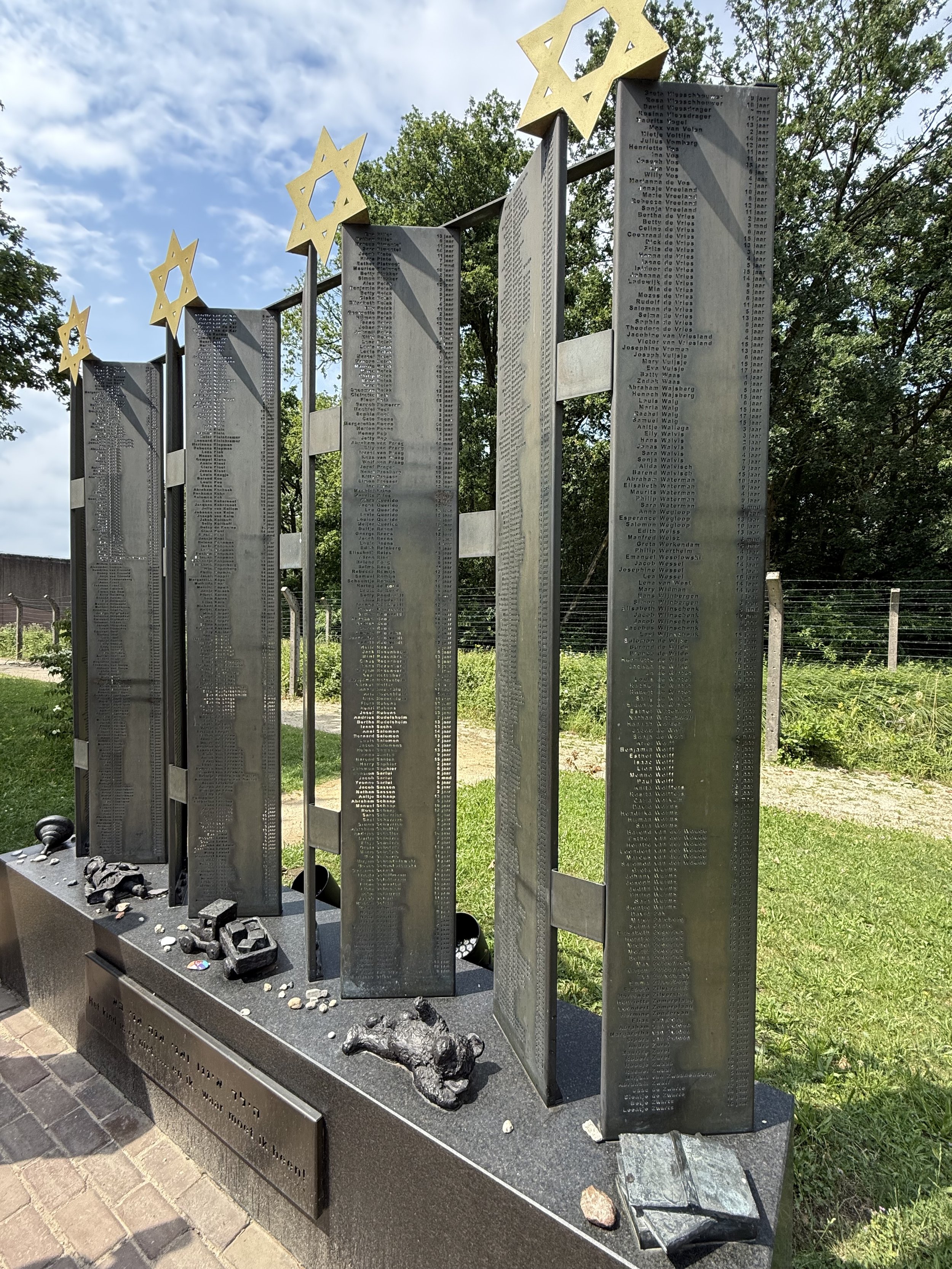
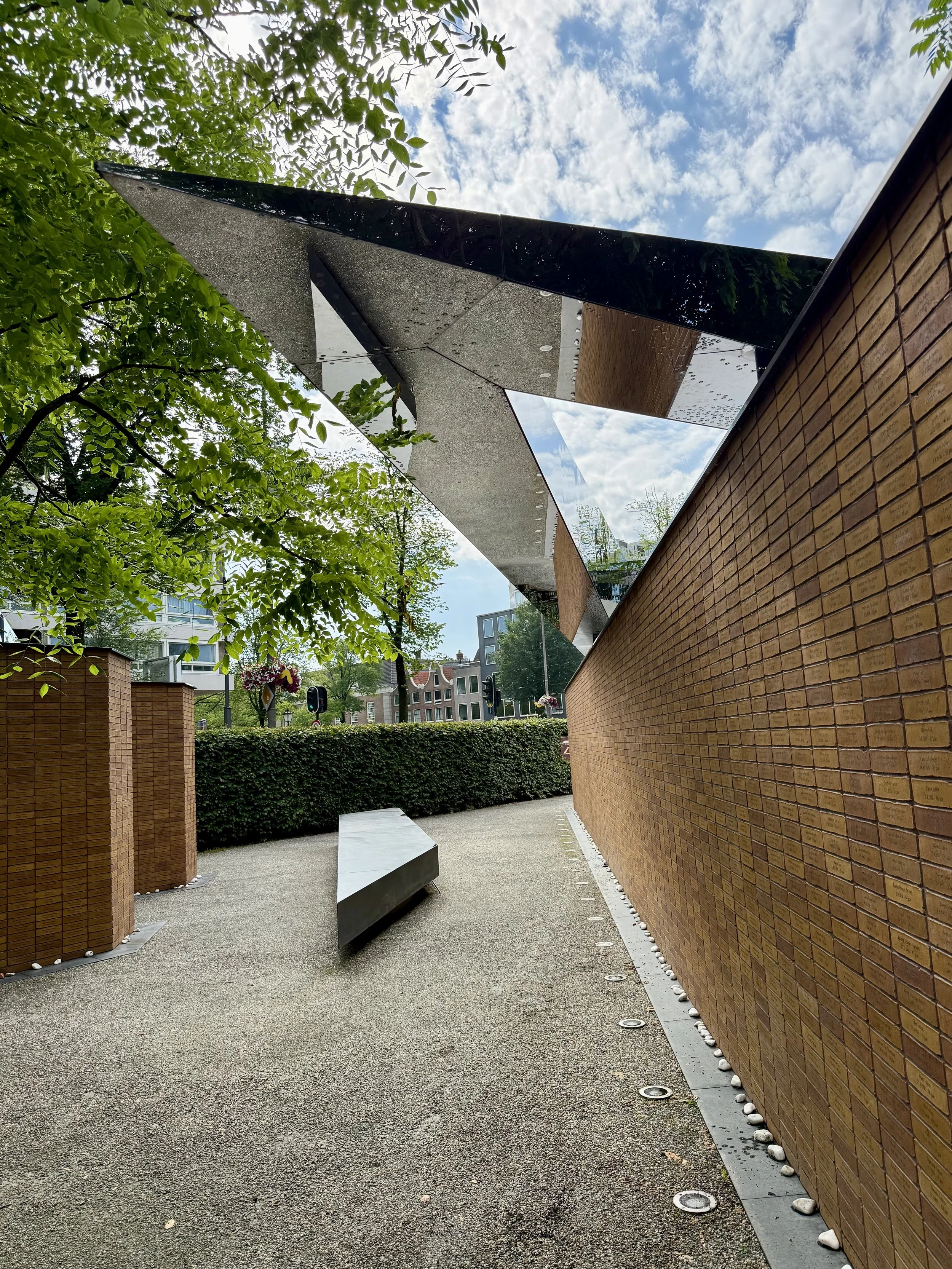
Throughout the institute, educators encountered the presence of absence — in the quiet streets of former ghettos, on the grounds of the Lost Shtetl Museum, in the stillness of Ponar Forest, and in the ruins of Birkenau. These places reveal not only what happened, but what was taken, what was destroyed, and what remains.
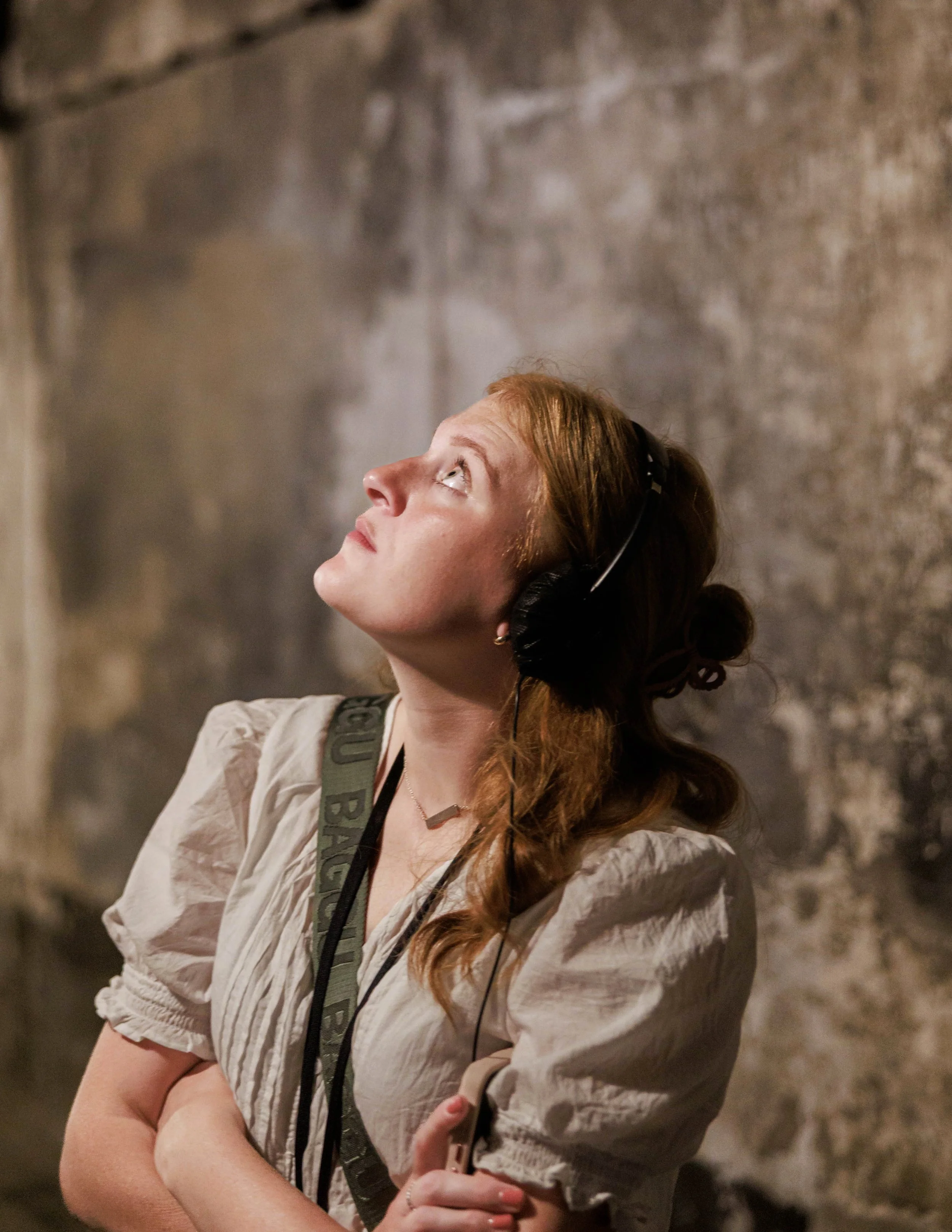
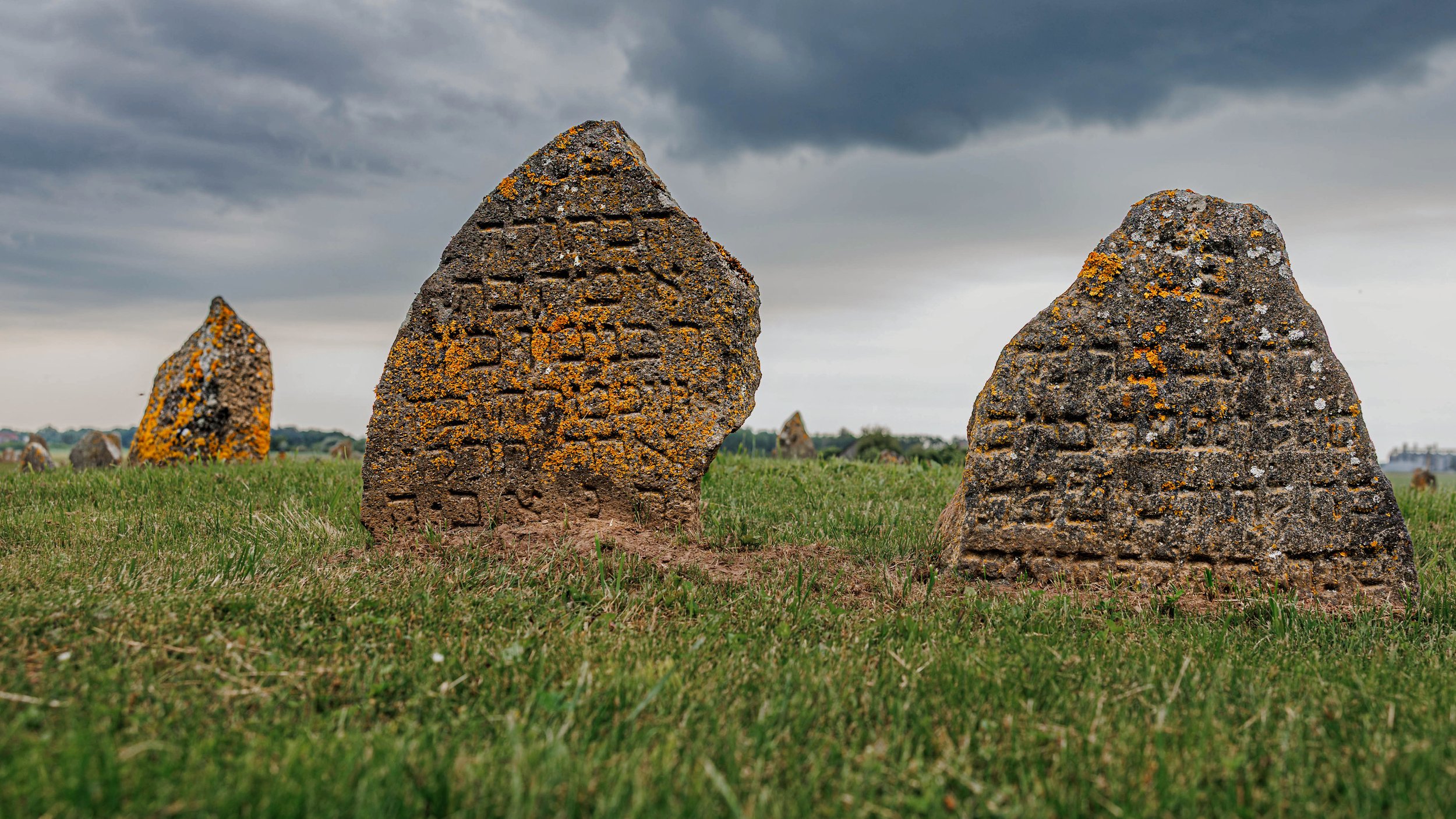
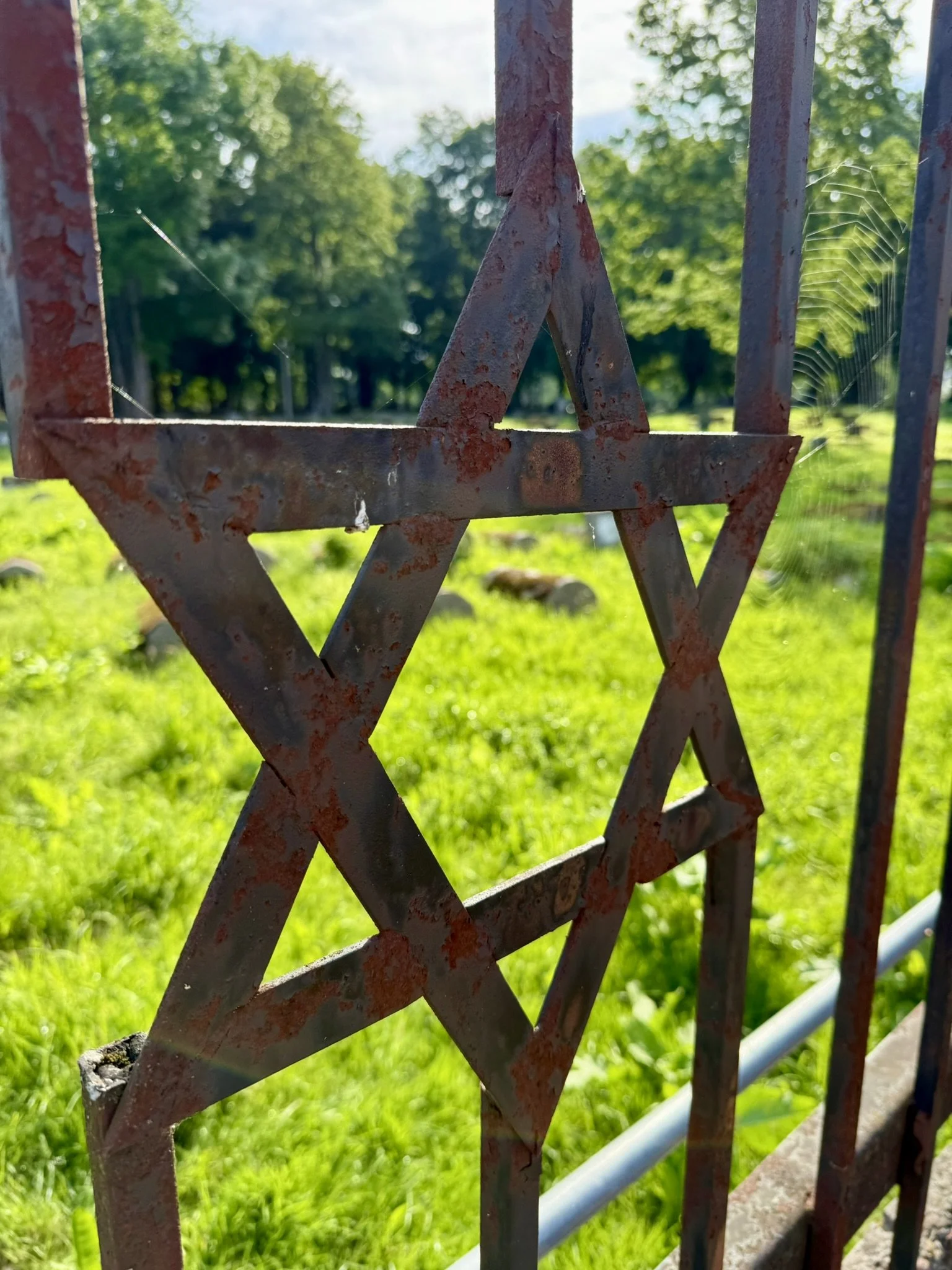
Even within a full itinerary, moments of quiet reflection emerged: a pause before a Stolperstein, a walk through a forest clearing, a quiet moment in a long‑forgotten cemetery with no mourners left to return. These moments reminded us that place is not simply a backdrop to history. It is part of the story — a witness, a reminder, and sometimes a challenge to what we think we know.
The Courage and Responsibility of Educators
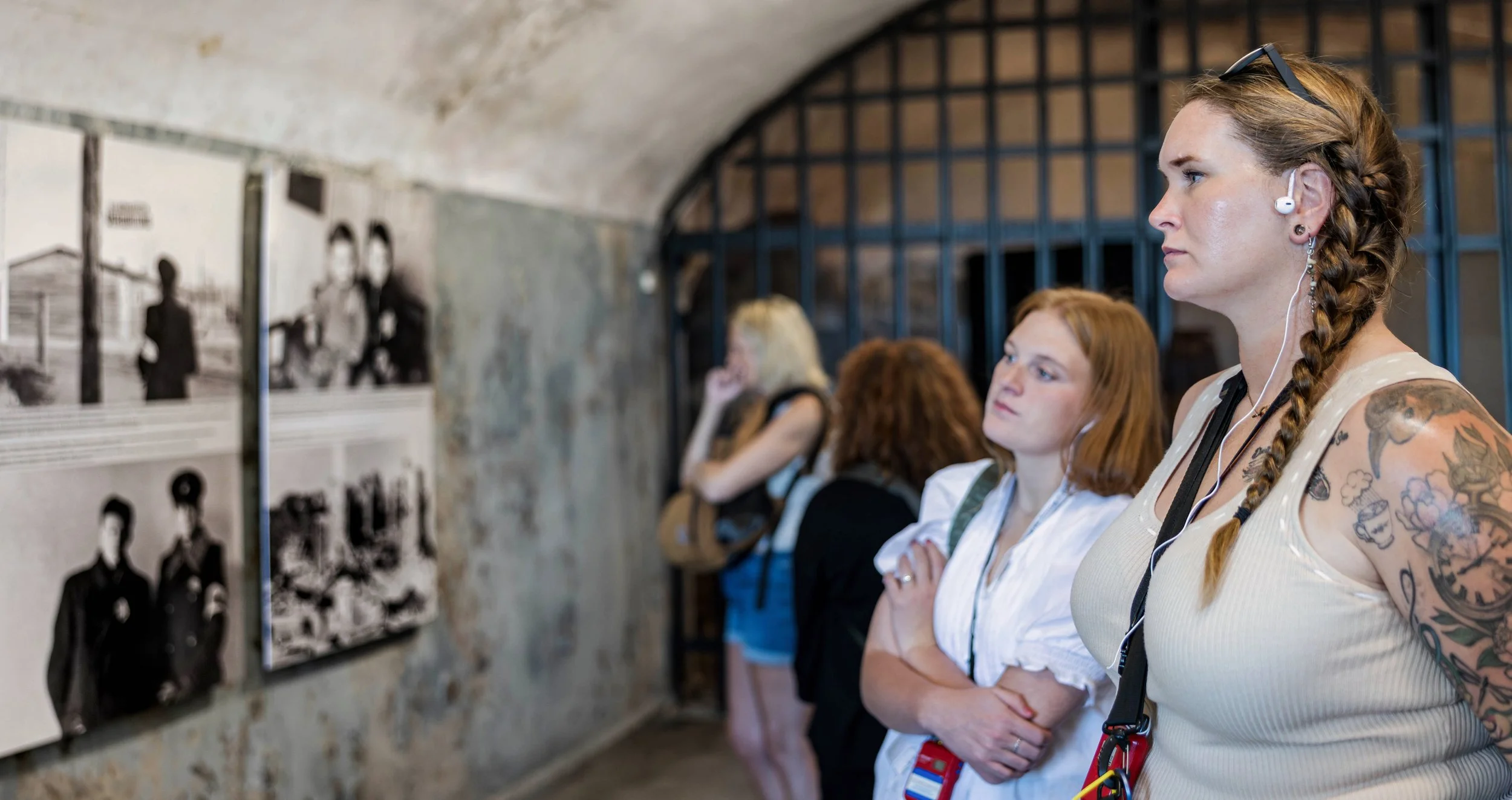
Teaching the Holocaust today requires clarity, honesty, and moral responsibility. It asks educators to hold complexity, confront absence, and help students navigate a history that resists easy explanation. Throughout the institute, our educators demonstrated remarkable courage — asking hard questions, sitting with discomfort, and allowing landscapes and voices to reshape their understanding.
Their engagement reflected a deep sense of responsibility — a willingness to confront difficult history and carry it back to their students with integrity. They carried the diarists’ words with them, reflected deeply on what they witnessed, and considered how to translate this experience into meaningful learning for their students.
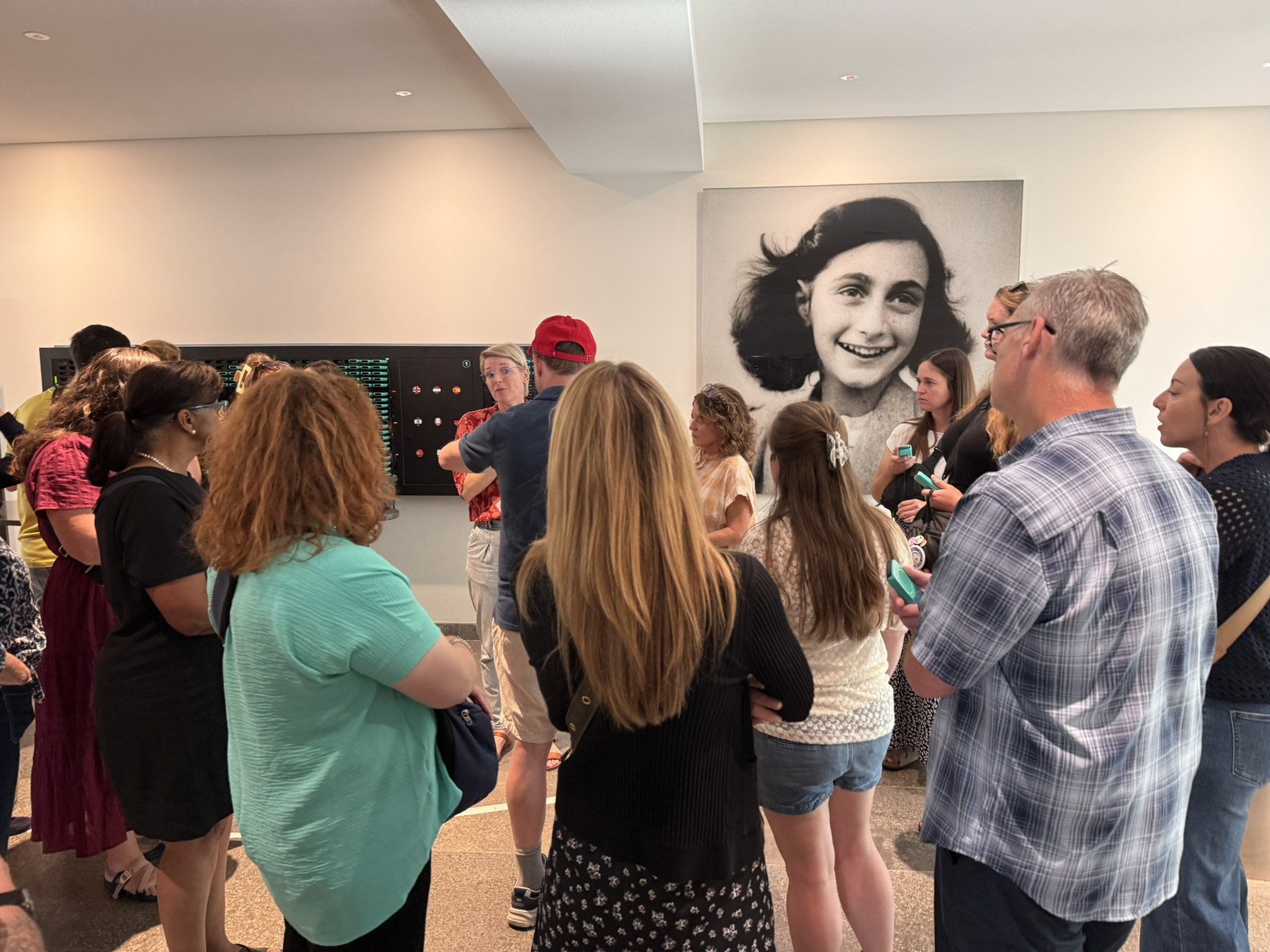
Carrying the Work Forward
Power of Place® is not just the name of our institute. It is a way of understanding how memory lives in the spaces where people once walked. It is a reminder that history is not only what happened, but also what societies choose to remember, confront, or mythologize. And it is a call to carry these voices forward — with clarity, with courage, and with the deep understanding that remembrance is an act of humanity.
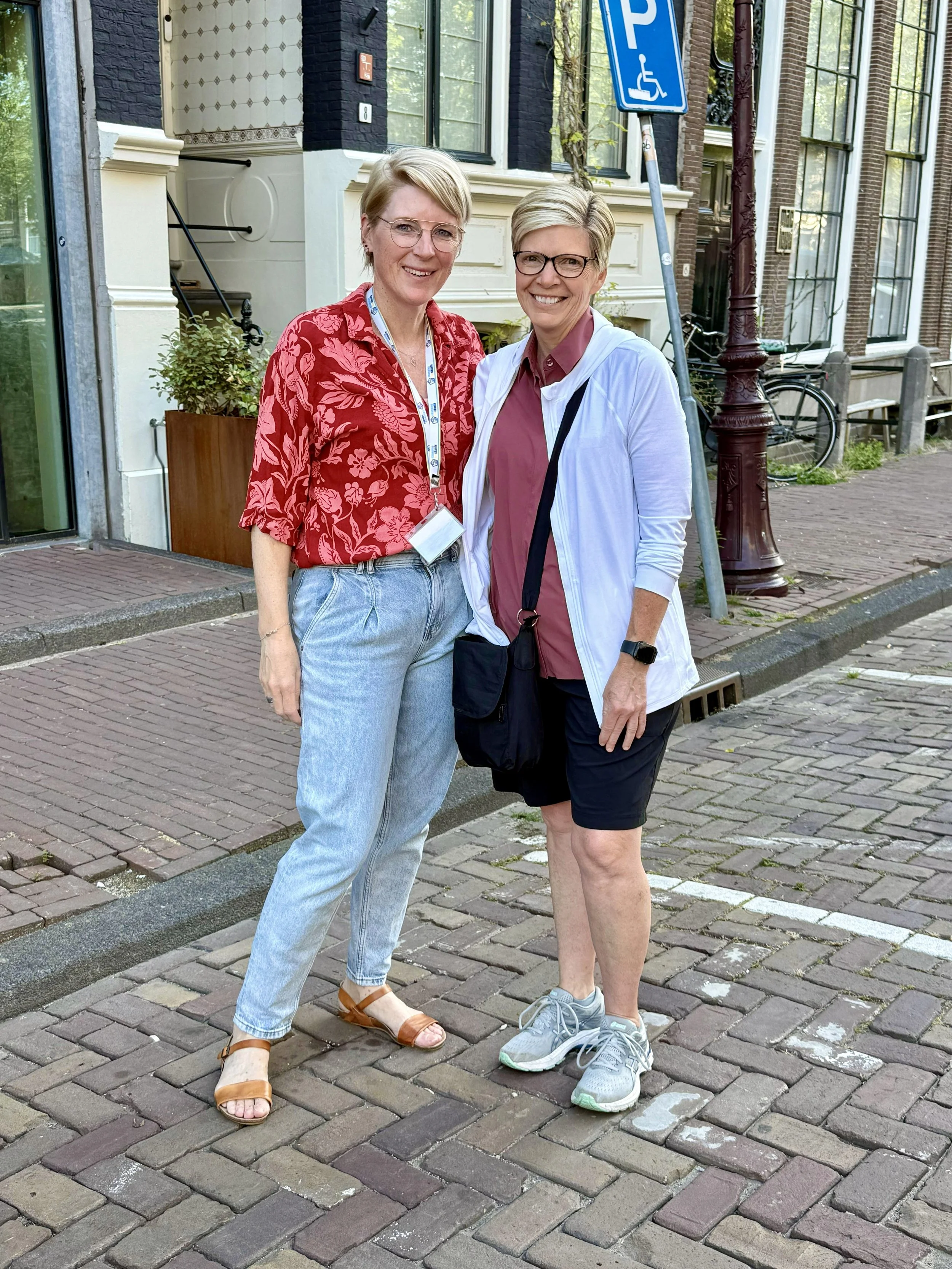
I am profoundly grateful to each participant whose dedication, curiosity, and generosity shaped this journey. It was a privilege to learn alongside each one of you, and to witness the care you bring to teaching this history.
I am also grateful to the JCRC of MN & the Dakotas for their partnership & ongoing commitment to this important program that we offer together each year with a new itinerary.