Holocaust and Genocide Education Certificate Program: History and Pedagogy
OVERVIEW:
Minnesota will require Holocaust & Genocide Education in all public schools beginning in the 2026–27 school year. As a leader who testified in support of this legislation and serves as Co‑Chair of the MN Department of Education’s Task Force on implementation, I am committed to ensuring educators are fully prepared for this vital work.
To meet the statewide need for high‑quality professional development, I’ve designed a Holocaust & Genocide Education Certificate Program in History and Pedagogy. This comprehensive training experience equips teachers with accurate historical content, sound pedagogy and classroom‑ready, primary-source-based resources. Educators will gain the knowledge, skills, and confidence necessary to teach this difficult history responsibly and effectively.

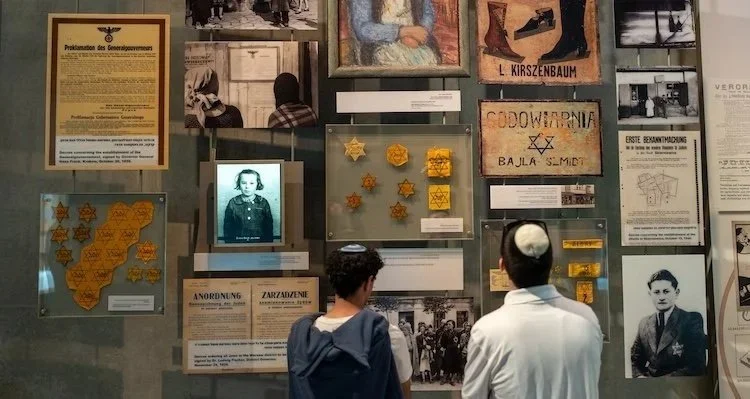
This Certificate Program is built on extensive research in Holocaust and genocide education and decades of professional teacher training experience in the U.S. and internationally.
Educators earn Certification and Continuing Education Units (CEUs).
What Sets Us Apart
PEDAGOGY
Educators learn how the field of Holocaust education has evolved, explore best practices, and apply the USHMM Guidelines for Teaching. Sessions support teachers in writing a rationale, and provide tools for selecting historically accurate, age appropriate classroom resources.

HISTORY
Participants engage in a concise, chronological study of the Holocaust using primary sources and historical inquiry. Sessions strengthen content knowledge, address common gaps and misconceptions, and model strategies for ensuring historical accuracy and evidence based learning in the classroom.
GENOCIDE EDUCATION
Educators examine the legal definition of genocide, United Nations frameworks, early warning systems, and case studies of Rwanda and Bosnia to build a clear understanding of contemporary genocide, mass atrocities, and prevention. Sessions feature expert guest speakers who provide leading scholarship, firsthand testimony, and policy‑focused insight.
OUTCOMES & GOALS
✓ Demonstrate a strong, evidence-based understanding of Holocaust history that is grounded in primary sources and historical inquiry
✓ Apply USHMM Guidelines for Teaching to classroom instruction
✓ Work confidently with archival materials—documents, photographs, artifacts—to enhance existing curriculum
✓ Develop a clear rationale, learning goals, and instructional plan
OUTCOMES & GOALS
✓ Use program provided tools to evaluate and select high quality classroom resources that meet academic standards and reflect best practices
✓ Identify warning signs and risk factors, drawing on historical analysis & insights from experts
✓ Demonstrate understanding of at least two legally defined cases of genocide, supported by scholarship & resources from experts